
How to Fix Holes in Drywall - 4 Easy Methods
At a glance
- Length
- 16 min
- Channel
- LRN2DIY
- Video from
- Dec 2020
- Rating
- 👍👍 Great video · 2/2
- Best for
- Homeowners and renters wanting to fix wall damage without calling a contractor
Overview of Four Drywall Hole Repair Methods
Drywall damage happens in every home—from nail holes to accidental impacts—but the good news is that fixing it doesn't require professional help or advanced skills. This guide covers the four main repair approaches you'll encounter, each suited to different hole sizes and damage levels. Whether you're dealing with a small puncture or a section that needs complete replacement, there's a straightforward method for your situation.
This tutorial is designed for homeowners and DIY enthusiasts who want to handle wall repairs themselves without intimidation. You don't need prior experience—just the right approach for your specific damage.
Key Takeaways for Drywall Repair Success
- Different hole sizes require different repair strategies, from simple spackling for tiny holes to patch kits and backer boards for larger damage
- Proper identification of your hole's size is the critical first step before choosing your repair method
- Finishing your repair involves multiple coats of joint compound, sanding between applications, and matching your wall's existing texture
- The final coat needs to be sanded smooth and painted to blend seamlessly with the surrounding wall
- Having the right tools on hand—drywall knives, mud pans, and sanding sponges—makes the process significantly easier
- Patience between coats and proper surface preparation yield professional-looking results
What to Expect: The Repair Process by Hole Size
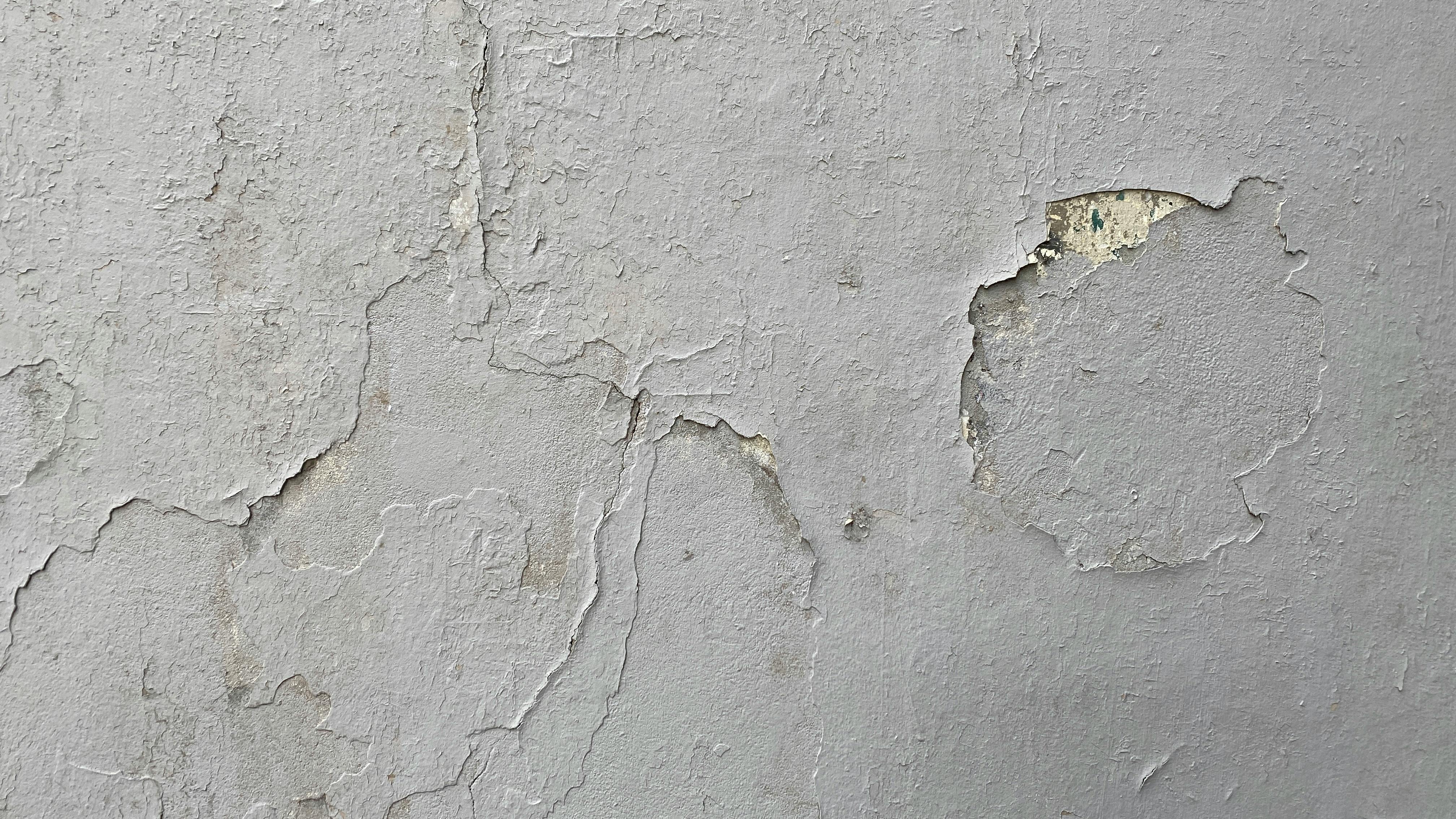
The video walks through four distinct repair scenarios, starting with identifying what you're dealing with. For small holes measuring 1.5 inches or less, the process is quick and requires minimal materials. Fist-sized holes step up in complexity and need a different approach than tiny punctures. Larger holes in the 7–10 inch range require using a backer board to provide structural support for your patch. Finally, if you're replacing entire sections of drywall, the method expands to cover proper preparation and installation. Throughout all these approaches, the tutorial emphasizes finishing techniques—applying multiple coats of joint compound, sanding to a smooth surface, matching your wall's existing texture (whether orange peel or knockdown), and painting for a final seamless blend. The progression shows that while each repair type has distinct steps, they all follow the same finishing logic.
Common Questions About Drywall Hole Repair
How do I know which repair method to use?
The size of your hole is the determining factor. The video starts by teaching you how to identify your repair type, which guides you to the correct method. Measure or compare your hole to common references (like a fist or the span of your fingers) to determine which of the four approaches applies to your situation.
Can I repair drywall without special tools?
While some basic repairs can be done with minimal equipment, having proper tools makes the work cleaner and faster. Drywall knives in different sizes, a mud pan, and sanding sponges are relatively inexpensive and make a noticeable difference in your results.
What is joint compound, and why do I need multiple coats?
Joint compound (also called mud) is the filler material that creates a smooth, finished surface over your patch. Multiple coats are necessary because each layer shrinks slightly as it dries, and building up gradually allows you to sand and feather the edges until the repair is completely invisible against the surrounding wall.
How do I match my wall's texture after repair?
The video covers texture application after your final coat of joint compound. Whether your walls have orange peel or knockdown texture, you'll apply matching texture to the repaired area so it blends with the rest of the wall before painting.
Why do small holes and large holes need different methods?
Small holes can be filled directly with spackling or compound because the surrounding drywall provides sufficient backing. Larger holes need patches or backer boards because they create areas where compound alone would sag or fail to hold properly without support underneath.
The section on matching texture is where many DIYers stumble, and the video gives this part serious attention rather than treating it as obvious. Seeing how to blend your repair seamlessly with the rest of your wall's texture is the difference between a repair that looks like a patch and one that disappears entirely.
Key Terms
- Joint compound
- A putty-like filler material used to cover drywall patches and create a smooth, paintable surface.
- Backer board
- A rigid support placed behind a drywall patch to provide structural backing for larger holes.
- Sanding sponge
- A flexible abrasive tool used to smooth dried joint compound between coats without creating dust clouds like sandpaper.
- Knockdown texture
- A wall finish created by lightly flattening spray-applied compound, common in modern homes.
- Orange peel texture
- A bumpy, citrus-peel-like wall finish created by spraying compound and leaving it unsmoothened.
Sources: Joint compound · Backer board · Sanding sponge · Knockdown texture · Orange peel texture — definitions cross-referenced with Wikipedia

Video by LRN2DIY on YouTube. If you enjoyed it, please subscribe to their channel and show your support for the great video.
Description
Fixing holes in drywall is easier than you might think. Follow along and don’t be intimidated! You got this!
#drywallrepair #fixholeinwall #diy
🎬 KEEP LEARNING: CHECK OUT THESE VIDEOS! 🎬
• The Stud Finder Showdown - 5 Stud Finders Compared: https://youtu.be/aQPD0Kp96Dc
• 5 Mistakes DIYers Make When Patching Drywall: https://youtu.be/fn1UWlc-VaY
• DIY Faux Shiplap for $80: https://youtu.be/5hq9vfjCNXU
• How to Paint Edges Without Tape: https://youtu.be/Oiw9BY7_K9s
📦 PRODUCTS IN THIS VIDEO 📦
• 12” Drywall Knife: https://geni.us/YWFmuaK
• 4” Drywall Knife: https://geni.us/vwZZiMN
• Drywall Jab Saw: https://geni.us/a0Zko
• 2 Premium Utility Knives: https://geni.us/iDgwZ
• Steel Mud Pan: https://geni.us/oMNk
• 12 Pack Sanding Sponges: https://geni.us/ta0H
• Orange Peel Texture: https://geni.us/uHO5i1
• Knockdown Wall Texture: https://geni.us/dIXpcr
• 8” Drywall Repair Patch: https://geni.us/UBPiUzm
• 3M High Strength Hole Repair Kit (Includes everything needed): https://geni.us/Rjf67gl
• 4” Presto Patch: https://geni.us/HAIN9gI
• 7” Drywall Patch: https://geni.us/c5P4po
• 3 lb Joint Compound / Mud: https://geni.us/jlfKqB
Links are affiliate links, which means you pay the same price as always but we make a small commission, which helps out our channel, so thank you for using them!
📲 MORE DIY GOODNESS 📲
Check out our many projects and plans at
https://lrn2diy.com
🕶 SOCIAL MEDIA 🕶
Facebook: https://www.facebook.com/lrn2diy
Instagram: https://www.instagram.com/lrn2diy/
📚 TWO FREE AUDIOBOOKS! 📚
To get two free audiobooks from Audible, just follow this link: https://goo.gl/QGFC4Q
00:00 Identifying Your Repair
01:27 Small Hole Repair (1.5"/3.8 cm or less)
02:42 Fist Sized Hole Repair
07:11 Large Hole Repair w/ Backer Board (7-10"/18-25 cm or less)
08:41 Massive Drywall Repair / Replacing Whole Sections
10:49 Second and Third Coats
12:53 Adding Matching Texture
15:19 Painting
Recent How-To & DIY Posts


How videos are chosen here
Every video on How-To & DIY, explained is hand-picked and reviewed by Justin — nothing is added automatically. Each one gets an original written guide and an honest rating: 👍 1 out of 2 means a good video worth your time, and 👍👍 2 out of 2 means a great one we would recommend to anyone. The videos belong to their creators — every page links back to the original channel so you can subscribe and support them.