
AI Agents, Clearly Explained
At a glance
- Length
- 10 min
- Channel
- Jeff Su
- Video from
- Apr 2025
- Rating
- 👍👍 Great video · 2/2
- Best for
- Anyone using AI tools who wants to understand the emerging technology landscape
Understanding AI Agents: From LLMs to Autonomous Systems
The landscape of artificial intelligence has evolved rapidly, and many people use AI tools daily without fully understanding what's changed under the hood. This video breaks down the progression from basic language models to true AI agents—a distinction that matters for anyone trying to keep pace with how AI will shape their work and daily life.
The guide is designed for regular AI users, not engineers or researchers. If you've used ChatGPT but wondered how AI workflows and AI agents differ, or if you want to understand concepts like RAG and ReAct without technical jargon, this material will clarify how these technologies work and why each represents a meaningful step forward.
Key Moments
Core Concepts in AI Agent Evolution
- Large language models (LLMs) like ChatGPT are powerful at generating text but operate in isolation, responding only to what you ask them in the moment.
- AI workflows add structure by chaining multiple steps together, allowing information to flow from one task to the next in a predetermined sequence.
- True AI agents can make decisions, choose their own tools, and adjust their approach based on outcomes—they're closer to autonomous problem-solvers than template followers.
- RAG and ReAct are practical techniques that let AI systems access real-time information and think through multi-step problems more effectively.
- The differences between these three levels shape how much independent judgment and flexibility the system can exercise.
- Understanding these distinctions helps explain why some AI applications feel rigid while others adapt and improve as they run.
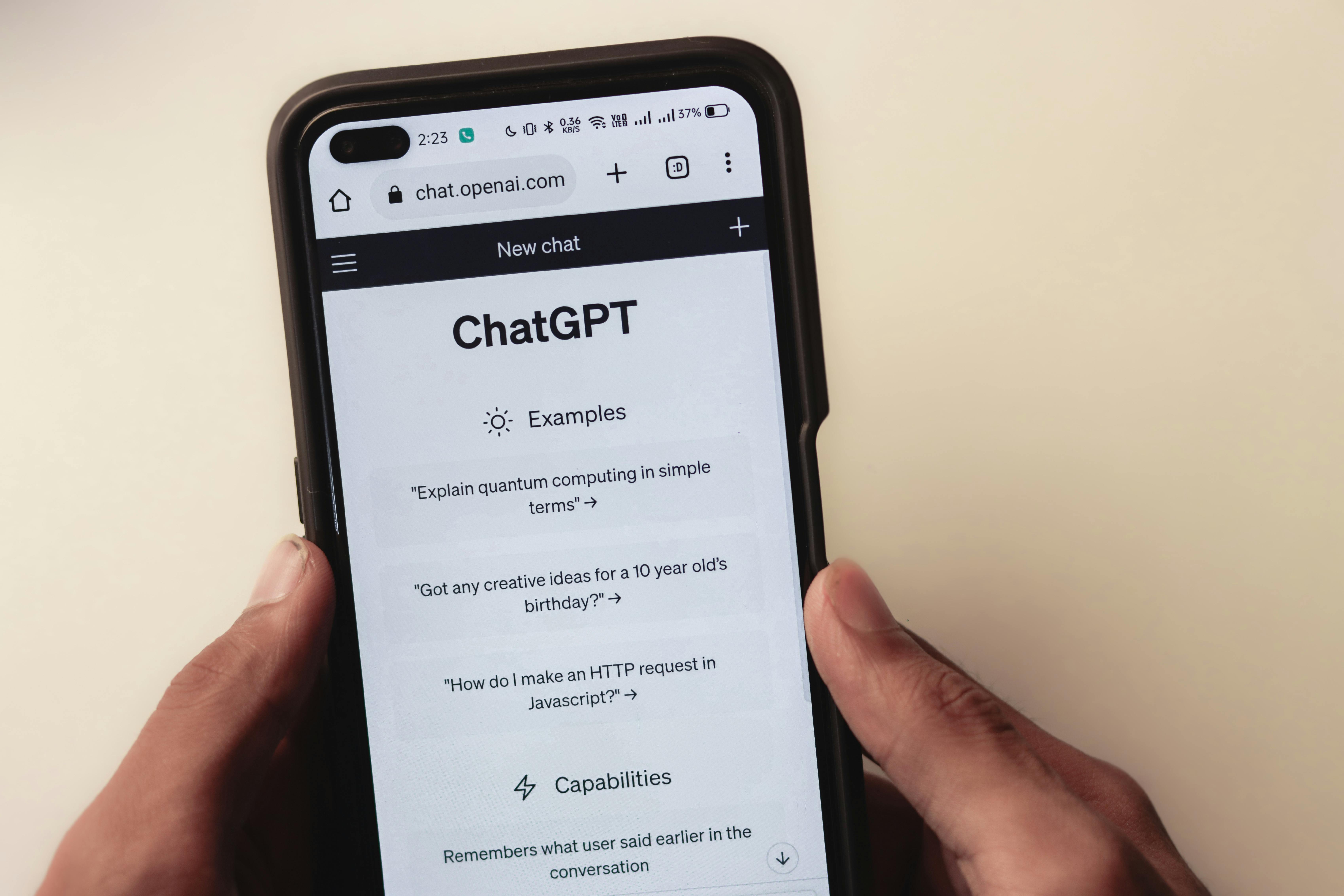
What to Expect from This Breakdown
The video walks through a clear three-level hierarchy. It starts by examining what a basic language model can do—and importantly, what it cannot. From there, it explores how workflows bring structure and multi-step logic to AI tasks. Finally, it explains what makes agents genuinely different: the ability to assess situations, select tools, and iterate toward solutions. Along the way, the video uses real-world examples to show how these concepts translate into actual applications you might encounter or build. By the end, you'll have a mental model for why each layer matters and how the technology is progressing.
Common Questions About AI Agents and LLMs
What's the main difference between an LLM and an AI agent?
An LLM responds to individual prompts in real time but has no memory of past interactions and cannot independently use external tools or adjust its strategy. An AI agent, by contrast, can plan multiple steps, select and use different tools based on what it learns, and refine its approach as it works toward a goal.
Why would I use an AI workflow instead of just prompting an LLM directly?
Workflows let you build repeatable, multi-step processes with built-in logic and handoffs. Instead of retyping complex instructions each time, you set up the sequence once, and it runs the same way consistently. This is especially useful for tasks where the order of operations matters or where outputs from one step feed into the next.
Is an AI agent the same as an AI workflow?
No. A workflow follows a predetermined path—you design the steps in advance. An agent is more flexible; it decides which tools to use and what steps to take based on the situation and feedback it receives. Agents can adapt in ways workflows cannot.
What are RAG and ReAct, and why do they matter?
RAG (Retrieval-Augmented Generation) lets an AI system pull in real-world data or documents to answer questions more accurately. ReAct is a technique that helps AI agents reason through problems step by step, showing their thinking and correcting course if needed. Both make AI systems more reliable and capable.
Will understanding AI agents help me use AI tools better?
Yes. Once you know the difference between these three levels, you'll better understand what each tool can and cannot do. You'll spot when a simple LLM prompt is enough versus when you need a workflow or agent, and you'll have more realistic expectations about how autonomous an AI system actually is.
Key Terms
- LLM (Large Language Model)
- An AI system trained on vast amounts of text that can generate human-like responses to prompts but operates without memory or tool integration.
- AI Workflow
- A structured sequence of AI-powered steps designed in advance, where outputs from one step feed into the next in a predetermined order.
- AI Agent
- An autonomous AI system that can choose its own tools, make decisions based on outcomes, and adjust its approach dynamically to reach a goal.
- RAG (Retrieval-Augmented Generation)
- A technique that allows an AI system to pull relevant information from external documents or databases before generating a response.
- ReAct
- A method that helps AI agents reason through problems by explicitly showing their thinking process and allowing them to correct mistakes as they work.
Sources: LLM (Large Language Model) · AI Workflow · AI Agent · RAG (Retrieval-Augmented Generation) · ReAct — definitions cross-referenced with Wikipedia

Video by Jeff Su on YouTube. If you enjoyed it, please subscribe to their channel and show your support for the great video.
Description
My AI Toolkit: https://academy.jeffsu.org/ai-toolkit?utm_source=youtube&utm_medium=video&utm_campaign=177
Understanding AI Agents doesn't require a technical background. This video breaks down the evolution from basic LLMs like #ChatGPT to AI Workflows and finally to true #AI Agents through practical, real-world examples.
Learn the key differences between these technologies and discover how concepts like RAG and ReAct actually work in simple terms. Perfect for regular AI users who want to understand how these emerging technologies will impact their daily lives.
*TIMESTAMPS*
00:00 AI vs. AI Agents
01:04 Level 1: LLMs
02:17 Level 2: AI Workflows
05:26 Level 3: AI Agents
07:48 Real-world Example
09:10 Summary
*RESOURCES MENTIONED*
Helena Liu's AI Workflow Tutorial: https://youtu.be/H0YRniHh2tg
Andrew Ng's AI Agent Demo: https://youtu.be/KrRD7r7y7NY
*BE MY FRIEND:*
📧 Subscribe to my newsletter - https://www.jeffsu.org/newsletter/?utm_source=youtube&utm_medium=video&utm_campaign=description
📸 Instagram - https://instagram.com/j.sushie
🤝 LinkedIn - https://www.linkedin.com/in/jsu05/
*MY FAVORITE GEAR*
🎬 My YouTube Gear - https://www.jeffsu.org/yt-gear/
🎒 Everyday Carry - https://www.jeffsu.org/my-edc/
*MY TOP 3 FAVORITE SOFTWARE*
❎ CleanShot X - https://geni.us/cleanshotx
✍️ Skillshare - https://geni.us/skillshare-jeff
💼 Teal - http://tealhq.co/jeffsu
#aiagents
Recent Posts

How videos are chosen here
Every video on Science & technology ExplainedBetter.com is hand-picked and reviewed by Justin — nothing is added automatically. Each one gets an original written guide and an honest rating: 👍 1 out of 2 means a good video worth your time, and 👍👍 2 out of 2 means a great one we would recommend to anyone. The videos belong to their creators — every page links back to the original channel so you can subscribe and support them.